
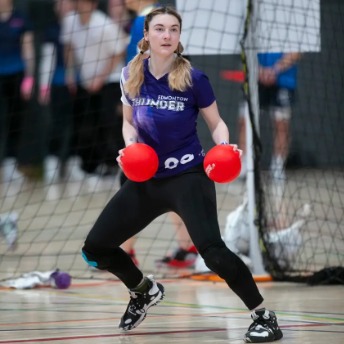

Learning how to organize a dodgeball tournament means balancing dozens of moving parts:
- scheduling
- registration
- venues
- referees
- equipment
- media
- player experience
If you've organized an event before, you already know that things rarely fail because of one dramatic mistake. It's usually five ordinary problems standing on each other's shoulders. The nets arrive late. Somebody forgot the floor tape. Two teams lost players the night before and are asking about substitutes. Meanwhile, your spreadsheet has decided today is the day it no longer believes in math.
Great tournaments aren't the ones where nothing goes wrong. They're the ones designed with enough structure that small problems stay small. That structure comes from experience, good habits, and increasingly, good tools.
Platforms like Dodgeball Hub can take care of much of the administrative work that traditionally lived in spreadsheets and group chats. Registration, memberships, check-ins, referee assignments, live seeding, stream overlays, player rankings, photography, and even sponsorship integrations can all live in one place. You don't need software to run a great tournament.
But once you've run one with it, you start to understand why so many organizers eventually never go back.
We'll talk about tools throughout this guide, but you’ll also get all the information you need to run a great tournament without software assistance. For now, let's start with the first thing every tournament organizer should check:
1. Check the Calendar
Start with the calendar, because there is no clever format on earth that can save you from scheduling your tournament on the same weekend as a major event three hours away. Dodgeball Hub maintains a crowd-sourced calendar of dodgeball events around the world, and thanks to partnerships with organizations like the World Dodgeball Federation, it's one of the most comprehensive places to begin your research.
Look at your region first, then look at the travel tournaments that attract the same teams you want to attend your event. If a larger tournament is already sitting on your date, it's usually worth reconsidering.
A clear weekend protects more than attendance. It protects your referee pool, your stream audience, and the general feeling that your event has room to breathe. Once you've found a date and secured a venue, publish your event early.
Future organizers will thank you.
More importantly, future you will thank you.
2. Tournament Scheduling: Tournament scheduling depends on four major variables:
- Gym hours
- Number of courts
- Average game length
- Number of teams
You only need to have a rough idea of one or two of these variables to get started, everything else will flow from these decisions.
Tournament planning is mostly an exercise in figuring out which problems you'd prefer to have.
For example: More teams sounds great… until you realize your playoffs now end at 10:30 p.m. Short breaks might help you save on venue costs, but one overtime game or injury could throw the whole day off schedule.
Streaming magnifies scheduling errors, because viewers are surprisingly good at noticing when the game they’re tuning in for is starting forty-five minutes behind.
Start with the information you know and stress-test the rest.
What happens if registrations exceed expectations? What if games run five minutes longer? What if a court becomes unavailable halfway through the day?
Most experienced organizers build multiple schedules before settling on one. You can do this manually if you enjoy spreadsheets, or use a platform like Dodgeball Hub to model different scenarios and compare outcomes quickly.
Try adding teams, removing courts, extending breaks, running divisions concurrently rather than consecutively.
See what happens before you've booked extra venue hours or promised a finals time you can't realistically hit.
Most tournament disasters don't happen because organizers are careless, but because a schedule looked reasonable on paper and then met reality. Reality has a habit of improvising.
3. Tournament Pricing Strategy One of the most common questions organizers ask is: How much does it cost to host a dodgeball tournament?
The answer depends on your goals, but most tournaments budget for:
- Venue rental
- Equipment
- Insurance
- Referees and staff
- Streaming
- Awards or merchandise
- Marketing and miscellaneous expenses
It's tempting to pick a registration fee that feels reasonable based on other events in the area and hope for the best. Most people try that exactly once. Start with your costs, then work backward from your expected attendance and the type of event you're trying to build.
Are you hoping to break even? Grow an annual tournament? Create the premier event in your region?
Those goals matter more than whatever another tournament charged last season.
It's also worth tying some expenses to milestones. For example; Maybe year one uses volunteer referees, or maybe t-shirts become medals and trophies once attendance grows. Most successful tournaments evolve over time rather than appearing fully formed.
Early Bird pricing helps too.
Teams register sooner, cash flow improves, and you spend less time staring at registration numbers wondering if anyone is coming. Most tournament software platforms, including Dodgeball Hub, allow organizers to handle registrations online and track attendance in real time. Dodgeball Hub offers both free and paid tiers, with the option to absorb or pass transaction fees on to participants.
Events using the platform can also contribute to the DH Global Player Rankings, which track player performance worldwide and feed into annual showcase events like the DH Draft Tournament.
For some communities, that's a meaningful incentive, but others will be more interested in whether or not you have a beer garden.
4. Define Your Tournament's Unique Value Proposition (UVP) Every tournament has a personality.
Some are known for elite competition, others are remembered for their atmosphere, after-parties, or the fact that they somehow manage to finish exactly on schedule. In marketing they call this your Unique Value Proposition, or UVP.
It's the answer to a simple question:
Why should someone travel to your event instead of another one? Maybe your venue is centrally located, or in an in demand tourist town. Maybe your format guarantees more games. Maybe you play under blacklights. Maybe you're sanctioned by organizations like USA Dodgeball or the Continental Cloth Circuit and offer qualification opportunities. Maybe the tournament raises money for charity.
The answer doesn't need to be revolutionary and you don’t need to reinvent the wheel, but finding your niche will help you stand out in an incredibly competitive tournament landscape.
Once you know what makes your event special, reinforce it in the details. Players notice when schedules go out on time, they notice when streams look polished, they notice when standings update quickly and commentators can pronounce their names and get their pronouns right.
The difference between an okay tournament and a memorable one is often a hundred small moments where players feel like somebody cared enough to get it right.
5. Market Your Event Marketing starts earlier than most organizers expect.
If registration opens in three months, start talking about the tournament now. Teams need time to organize travel, find teams, and book time off. Remember you are competing for weekends, and getting an early commitment is one of the most crucial ways to protect your registration.
Use social media consistently. Platforms reward consistency, which is a polite way of saying you'll probably need to post more often than you'd like. Share updates, announce teams, highlight venue details, format changes, sponsors, or returning champions.
Collaborate with local leagues, orgs, and attending players, and be sure to tag whoever you can. The best way to get visibility is through organic reach. If social media isn't your strength, lean into community outreach and word of mouth.
You can also advertise through services like Dodgeball.Live, which promotes events during tournament streams for a small fee, helping you reach highly engaged viewers who are already invested in the sport.
6. Start Recruiting Posting an event isn't the same thing as recruiting.
A surprising amount of tournament organizing is sending messages.
Players like feeling wanted, and a personal invitation goes farther than most organizers expect, especially in a community as interconnected as dodgeball. Reach out to captains, and talk to league organizers about submitting teams or spreading the word.
This is also a great opportunity for market research, figure out what makes players interested or disinterested in your event. Is it the time of year, locations, price? This is beneficial information for future iterations, and may even point out a few opportunities to entice people for this one. After that, focus on reducing friction, IE. how easy is it for someone to say yes?
- Can they register quickly?
- Can solo players find teams?
- Can first-time teams get answers without feeling intimidated?
Tournament organizing occasionally involves a little matchmaking, and honestly, that's part of the fun. When players make new friends, they’re making great memories at your event.
7. Logistics Deep Dive
When most people imagine tournament organizing, this is the section they're thinking about.
- Venues
- Insurance
- Equipment
- Streaming
- Referees
- Staff
The thousand tiny details that somehow determine whether the day feels effortless or chaotic.
Let's start with venues.
Choosing a Venue
Dodgeball players care about floors, wall spacing, and court dimensions. To the point that many governing bodies won’t even look at sanctioning your tournaments if venues don’t meet the right specs.
Hardwood is generally preferred, though sport floor is sometimes acceptable. Concrete, rubber flooring, and turf are usually frowned upon. Some formats rely on back walls, while others require netting and adequate space between courts and walls to keep balls from ricocheting. Suggested spacing requirements, as well as court dimensions for most major formats can be found on the WDBF website under their latest rulebook.
Before signing a contract, confirm:
- Court dimensions
- Available line markings
- Wall clearance
- Flooring type
- Venue policies on tape and equipment
If you need to tape courts yourself, confirm which products are permitted. Floor damage is an expensive way to learn about venue policies.
Insurance and Waivers Most venues require insurance, and all players should sign waivers. While neither of these topics is particularly exciting, they are very important.
Organizations like Dodgeball Canada may offer coverage to affiliated leagues, while some venues extend their own insurance to hosted events.
Laws vary by country, so do your homework and consider carrying your own policy regardless, and pay attention to the age limits. Many policies may not allow those under the age of 18 to play without additional fees.
Online registration systems like Dodgeball Hub can streamline waiver collection and membership verification long before tournament day, but you may opt to print these off and have them signed at the venue. Just be sure you have a way of tracking who has actually signed them if you go this route.
Equipment
Equipment needs vary by format, but most tournaments will need:
- Balls
- Nets
- Pumps
- Scoreboards or tablets
- Whistles
- Referee cards
- Court tape
- Court Signage
- Tables and chairs
- Chargers, extension cords, and power bars
Cloth balls are relatively easy to source worldwide, as anyone with a dodgeball related instagram account is probably aware. Though they may require a wire transfer to a country you’re not intimately familiar with.
Foam balls are... a topic.
Players have opinions, and they will absolutely share them with you. It’s better to have these conversations PRIOR to your tournament. The WDBF official ball partner as of 2026 is Joylite, a good rule of thumb is to avoid any balls branded “[animal name] Skin” if your tournament is meant to attract world tier players. Many national organizations do bulk orders each year and may consider including you in their next big purchase, or selling some to you in the meantime.
Consult your national organization if you're unsure what equipment is standard in your region or how to purchase it, they've almost certainly had this conversation before.
Streaming
Streaming has become a major part of competitive dodgeball.
A good broadcast increases visibility, creates sponsor opportunities, and gives players something to share afterward.
Before committing, confirm:
- Internet speeds
- Camera positions
- Audio setup
- Overlay requirements
- Volunteer or staff capacity
- Commentators
- Player names, numbers, and pronouns
Many of these considerations can be handled though built in overlays included in Dodgeball Hub, but you can also build them custom for streaming platforms like OBS.
If this is your first time, consider hiring a provider like Dodgeball.Live, who offer streaming services specifically for dodgeball. They even help train volunteers and offer the ability to stream on their channel, which looks great for sponsors.
Referees and Staff Will you use paid referees? Player referees? A mix?
There's no universal answer. Volunteer refs reduce costs and strengthen community involvement, but many players loathe refing, and for good reason. Nobody wants to pay an organizer to get yelled at by their competition doing a role they didn’t sign up for.
Paid refs can improve consistency and ease some of that stress, but it can be challenging finding refs who will come to a tournament just to ref, especially without getting paid a decent amount.
Sometimes the easiest model is a mixture of paid head refs, and player secondary refs/line refs. Software like DH will handle ref scheduling for you so you don’t need to worry about conflicts.
Assigning staff roles early is important too.
Who handles check-ins? Who enters scores? Who answers player questions? Who manages first aid? Who makes announcements? The list goes on.
The more clearly these responsibilities are defined ahead of time, the smoother tournament day becomes.
Photos and Memories Photos are worth planning.
Players love having images to share afterward, and photographers can often become valuable long-term partners for your event. Some of the most engaging content you can hope for comes from sharing photos and videos from your event.
There are a few types of photographers out there, and they may charge you in a few different ways: For the entire event, per team/individual, post event sales. Dodgeball Hub recently added support for photograph hosting and sales, allowing multiple photographers to attach galleries directly to tournaments. They can provide them for free or set their own pricing, allowing tournaments to keep all of their shots in a single place, without relying on social media.
In closing…
This list could go on forever.
We could talk about pool balancing, after-parties, music licensing, sponsorships, merchandise, or the surprisingly delicate politics of making sure teams don't travel 800 kilometers just to play their usual rivals.
But the most important thing about organizing a great tournament is creating great memories.
If players leave feeling appreciated, they'll come back. If they come back, they’ll bring their friends, and that’s how you'll grow! Surround yourself with people who care as much as you do and be a great ambassador. Do that and you'll build something that lasts. Everything else is logistics, and you can handle that with software and a checklist or two.
Quick Checklist Before You Open Registration - Check the Dodgeball Hub calendar for conflicts (local and travel tournaments) - Sanity-check your date against major events, holidays, and long weekends - Confirm gym hours, court count, and actual usable space (not just what’s on paper) - Build at least two versions of your schedule (your plan and your “things went wrong” version) - Stress-test your format: - What happens if games run long? - What happens if you add 4 more teams? - Lock in your pricing based on costs - Decide what kind of tournament you’re building (competitive, social, showcase, etc.) - Define your UVP (why teams should travel for this) - Publish your event early Before Event Day - Actively recruit teams - Follow up with “maybe” teams, most registrations happen after a second message - Confirm sanctioning requirements (if applicable) - Finalize referee model (paid, volunteer, or hybrid) - Assign staff roles clearly: - Check-ins - Scorekeeping - Announcements - First aid - Test your schedule against real-world timing - Confirm: - Insurance + waivers - Equipment (and backups) - Venue policies (especially tape and floor rules) - PA systems - Test your stream setup: - Internet speed, access to wired ports - Audio - Overlays - Prepare: - Tablets if applicable, printed schedules, waivers, scorecards if not - QR codes - Backup brackets
On Event Day
- Arrive early enough that you’re not rushing your own event - Set up courts, nets, and spacing properly (it helps to bribe players to set up with pizza) - Inflate and test all equipment - Run check-ins efficiently (this sets the tone for the day) - Keep schedules visible and updated - Communicate delays early - Monitor pacing: - Are games running long? - Are breaks slipping? - Do game durations or breaks need to be reduced to end on time? - Keep your stream informed (or they will invent their own timeline) - Solve small problems quickly before they stack - Take a moment to talk to players, and make sure they’re having a great time
After the Event (The Part Most People Skip) - Share results, photos, and VODs quickly - Thank teams, refs, staff, and partners publicly - Collect feedback while it’s still fresh (DH has a feedback feature you can use) - Take notes on what broke (you will forget faster than you think) - Lock in early interest for next year